

 English
 Español
 عربى
عربىWhy Outdoor Decking Fails Earlier Than Expected Many outdoor floors look fine on the day they are installed, then start to show problems within a fe...
READ MORE
Clean air, a human right
Fencing is an essential element in defining outdoor spaces, offering privacy, security, and aesthetic appeal. Over the years, different materials have been used to construct fences, with wood being the traditional choice. However, as environmental concerns and technological advancements rise, alternative options like WPC (Wood Plastic Composite) fencing are gaining popularity.
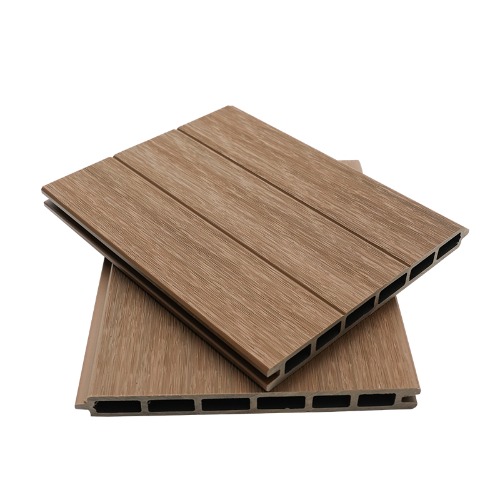
Wood Plastic Composite (WPC) is a material made from a blend of wood fibers and plastic polymers. It combines the durability and strength of wood with the versatility and maintenance-free benefits of plastic. WPC fencing panels are engineered to provide both functionality and aesthetic appeal. These panels are especially favored for their resistance to weather, pests, and decay compared to traditional wood.
Wooden fencing has been a popular choice for generations, offering a natural look and feel. It is available in a wide range of materials, such as pine, cedar, and redwood. While wood offers timeless appeal, it has certain disadvantages that have led homeowners to explore alternative materials like WPC.
One of the primary advantages of privacy wood plastic composite fencing panels is their ease of installation. Unlike wood, WPC boards are designed to be more user-friendly, with several features that make the process simpler and faster. Here are the key aspects of WPC fencing installation:
Pre-Drilled Holes: Many WPC fence panels come pre-drilled, eliminating the need for additional drilling during installation.
Lightweight and Easy to Handle: WPC panels are generally lighter than wood, making them easier to carry and maneuver during the installation process.
No Painting or Sealing Required: WPC fences do not need to be stained or painted, which can be time-consuming for wood fences.
Tool Requirements: The installation of WPC fencing typically requires fewer tools—often just a saw for cutting and screws for securing the panels.
Wooden fences, while straightforward to install for experienced DIYers, require more preparation and skill. Some of the challenges in installing a wooden fence include:
Wood Cutting and Shaping: Wooden panels may need to be cut to fit, which can take time and requires precise measurements.
Drilling and Securing: Each individual wooden board needs to be drilled and secured with nails or screws, which can be a labor-intensive process.
Painting and Sealing: Wood fences must be painted or sealed before installation, adding extra steps to the process.
More Equipment: Wooden fence installation typically requires additional tools like hammers, drills, and possibly a level for alignment.
| Feature | WPC Fencing | Wooden Fencing |
|---|---|---|
| Installation Time | Quicker and simpler | Longer, more detailed process |
| Tool Requirements | Fewer tools needed | Requires multiple tools and expertise |
| Maintenance | Low maintenance | Regular upkeep needed (painting, sealing) |
| Durability | Highly durable, resistant to pests | Prone to rotting and pest infestations |
| Appearance | Available in a variety of finishes | Natural, but may degrade over time |
| Eco-Friendliness | Made from recycled materials | Dependent on wood source, may not be sustainable |
The preparation of the site for either WPC or wooden fencing is critical to ensuring proper installation. Both types of fencing require that the ground be level and clear of debris. However, the lightweight nature of WPC panels can make the handling and positioning easier, especially when working on uneven terrain.
WPC fence panels are often designed with interlocking features that simplify the installation process. Many panels come with a tongue-and-groove system, allowing them to easily slot together. In contrast, wooden fences may require more time-consuming methods like nailing or screwing each board into place individually.
For privacy wood plastic composite fencing panels, the tools required are generally minimal. A saw or cutting tool is used to trim panels, and screws are used to secure them in place. Wooden fences, however, require more specialized tools, including post-hole diggers, hammers, and drills.
While the initial cost of WPC fencing may be slightly higher than wooden fencing, the long-term savings in maintenance make WPC a more economical option over time. The durability and low maintenance requirements of WPC panels offset the higher upfront cost.
When it comes to installation, WPC fencing offers a significant advantage over wooden fences. The privacy wood plastic composite fencing panel is easier to handle, quicker to install, and requires less maintenance, making it an ideal choice for homeowners looking to reduce installation time and long-term upkeep. While wooden fencing provides a traditional look, the added effort required in installation and maintenance makes WPC a more attractive option for many.
1. What tools do I need to install WPC fencing?
You will only need basic tools such as a saw, drill, screws, and a level. WPC fencing is designed for easy installation without the need for specialized equipment.
2. Is WPC fencing more durable than wooden fencing?
Yes, WPC fencing is more durable than wood. It is resistant to moisture, rot, and pests, which can cause significant damage to wooden fences over time.
3. Can I install WPC fencing by myself?
Absolutely! WPC fencing is designed for ease of installation and is well-suited for DIY projects.
4. Does WPC fencing require any maintenance?
WPC fencing is low maintenance. It does not require regular staining or painting like wooden fences and can simply be cleaned with soap and water.
5. Is WPC fencing eco-friendly?
Yes, WPC fencing is made from recycled wood fibers and plastic, making it an environmentally friendly option compared to traditional wooden fences, which require the harvesting of timber.

Why Outdoor Decking Fails Earlier Than Expected Many outdoor floors look fine on the day they are installed, then start to show problems within a fe...
READ MOREWall panels have become one of the most popular cladding solutions in modern renovation. Homeowners, contractors, and first-time DIYers are drawn to ...
READ MORECan I install wall panels in a bathroom? The short answer is yes, provided you choose a moisture-resistant panel, prepare the wall correctly, and sea...
READ MOREWhen you search for a "wpc factory" online, you are not just looking for any supplier. You are hunting for a partner who can deliver consistent qual...
READ MORE
 No. 6, Nanyuan South Road, Tangyang Town Industrial Park, Dongtai City, China
 [email protected]
 +86-17388015349
Copyright © Jiangsu Xuanhui New Material Technology Co., Ltd. All Rights Reserved.Custom Wood Plastic Composite Environmentally Friendly Materials Factory

