

 English
 Español
 عربى
عربىWhy Outdoor Decking Fails Earlier Than Expected Many outdoor floors look fine on the day they are installed, then start to show problems within a fe...
READ MORE
Clean air, a human right
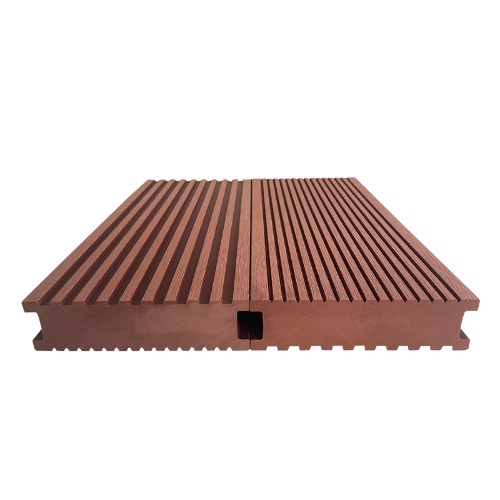
Decking is an essential element in modern outdoor spaces, offering both functionality and aesthetic appeal. When it comes to choosing the right material, homeowners and businesses often face a dilemma between exterior waterproof solid WPC decking and traditional wood decking.
| Feature | Exterior Waterproof Solid WPC Decking | Traditional Wood Decking |
|---|---|---|
| Resistance to Moisture | Waterproof, resists mold and mildew | Susceptible to water damage and rotting |
| UV Resistance | High UV resistance, doesn’t fade easily | Can fade and degrade under sunlight |
| Maintenance | Low maintenance, requires occasional cleaning | Requires regular sealing and staining |
| Lifespan | 25+ years | 10-15 years with proper care |
| Scratch and Dent Resistance | High resistance to scratches and dents | More susceptible to damage from impacts |
| Feature | Exterior Waterproof Solid WPC Decking | Traditional Wood Decking |
|---|---|---|
| Sustainability | Often made from recycled materials and is fully recyclable | Wood is renewable, but deforestation concerns arise |
| Carbon Footprint | Lower carbon footprint due to reduced need for deforestation | Higher carbon footprint, especially with unsustainable wood sourcing |
| Recycling | 100% recyclable, environmentally friendly | Wood is biodegradable, but not always recycled efficiently |
When comparing exterior waterproof solid WPC decking and traditional wood decking, the choice largely depends on individual priorities, such as long-term durability, environmental concerns, maintenance preferences, and aesthetic goals.
1. What are the advantages of exterior waterproof solid WPC decking over traditional wood decking?
WPC decking offers enhanced resistance to moisture, UV damage, and pests, while requiring less maintenance and offering a longer lifespan.
2. How long does exterior waterproof solid WPC decking last compared to wood decking?
WPC decking can last up to 25 years or more, while wood decking typically lasts 10-15 years with proper care.
3. Is WPC decking eco-friendly?
Yes, WPC decking is made from recycled materials and is fully recyclable, making it an environmentally responsible choice compared to wood decking.
4. Can I install WPC decking myself?
Yes, many WPC decking systems feature easy-to-install interlocking mechanisms that make DIY installation possible.
5. How do I maintain exterior waterproof solid WPC decking?
WPC decking requires minimal maintenance, typically just occasional cleaning with soap and water to keep it looking its best.

Why Outdoor Decking Fails Earlier Than Expected Many outdoor floors look fine on the day they are installed, then start to show problems within a fe...
READ MOREWall panels have become one of the most popular cladding solutions in modern renovation. Homeowners, contractors, and first-time DIYers are drawn to ...
READ MORECan I install wall panels in a bathroom? The short answer is yes, provided you choose a moisture-resistant panel, prepare the wall correctly, and sea...
READ MOREWhen you search for a "wpc factory" online, you are not just looking for any supplier. You are hunting for a partner who can deliver consistent qual...
READ MORE
 No. 6, Nanyuan South Road, Tangyang Town Industrial Park, Dongtai City, China
 [email protected]
 +86-17388015349
Copyright © Jiangsu Xuanhui New Material Technology Co., Ltd. All Rights Reserved.Custom Wood Plastic Composite Environmentally Friendly Materials Factory

