

 English
 Español
 عربى
عربىWhy Outdoor Decking Fails Earlier Than Expected Many outdoor floors look fine on the day they are installed, then start to show problems within a fe...
READ MORE
Clean air, a human right
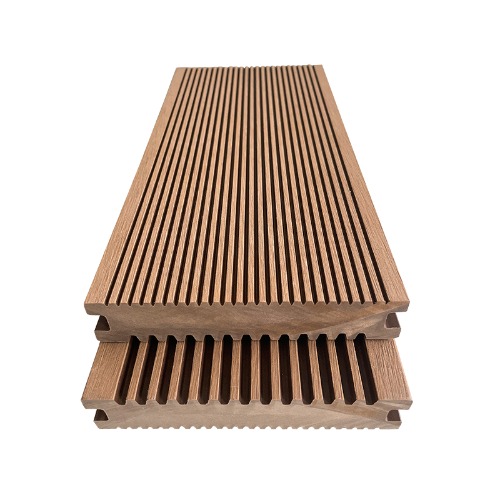
In recent years, the demand for sustainable and eco-friendly materials in construction and landscaping has increased significantly. Among the many options available, exterior waterproof solid WPC (Wood-Plastic Composite) decking has emerged as a popular choice for homeowners, businesses, and contractors alike. This decking material is known for its durability, low maintenance requirements, and environmental benefits, making it an ideal option for outdoor spaces.
This type of decking combines wood fibers and plastic polymers, resulting in a composite material that mimics the appearance of natural wood while offering enhanced durability and resistance to outdoor elements.
Exterior waterproof solid WPC decking is designed to withstand harsh weather conditions, such as heavy rainfall, extreme temperatures, and high humidity, without succumbing to common problems associated with traditional wooden decks, such as rot, warping, or insect infestation.
| Feature | Benefit |
|---|---|
| Waterproof | Resists moisture absorption, preventing mold and mildew. |
| Low Maintenance | Requires minimal upkeep compared to traditional wood decking. |
| UV Resistant | Maintains its color and appearance even under intense sunlight. |
| Durable | Offers long-lasting performance with proper installation. |
| Aesthetic Appeal | Available in a variety of colors and textures to suit various design preferences. |
The environmental impact of building materials is a critical concern in today’s world. From reducing carbon footprints to promoting responsible resource management, the choice of materials plays a key role in sustainable construction. Exterior waterproof solid WPC decking provides several environmental advantages, which we’ll explore in detail below.
One of the most significant environmental benefits of WPC decking is its contribution to reducing deforestation. Traditional wooden decking is made from natural wood, which is often sourced from forests. As the demand for wood increases, forests face significant pressure, leading to deforestation, habitat destruction, and loss of biodiversity.
WPC decking, on the other hand, is manufactured using a combination of recycled wood fibers and plastic polymers. This reduces the need for virgin timber and helps conserve forests. As a result, using WPC decking supports sustainable practices and helps preserve natural ecosystems.
Another key environmental benefit of exterior waterproof solid WPC decking is its recyclability. While traditional wood decking may eventually end up in landfills after its lifespan ends, WPC decking can be recycled. The plastic components in WPC decking can be repurposed into new products, and the wood fibers can be used in other applications. This helps reduce waste and promotes a circular economy, where materials are reused and recycled rather than discarded.
Manufacturing processes for traditional building materials like concrete, steel, and natural wood often require large amounts of energy and generate significant carbon emissions. WPC decking, however, typically has a lower energy footprint during production. The materials used in WPC decking, such as recycled plastics and wood fibers, often require less energy to process compared to raw materials. Furthermore, many China manufacturers producing WPC decking use energy-efficient technologies and eco-friendly practices, further minimizing the environmental impact of the manufacturing process.
Exterior waterproof solid WPC decking is designed to last much longer than traditional wood decking. Its high resistance to weather, moisture, and insects ensures that it won’t rot, warp, or fade over time. This extended lifespan means fewer replacements are necessary, reducing the overall consumption of resources and the amount of waste generated from discarded decking materials.
With WPC decking, consumers can enjoy a long-lasting product that requires less frequent maintenance and replacement, ultimately conserving both raw materials and energy.
Traditional wood treatment methods often involve the use of harmful chemicals such as preservatives and pesticides to protect the wood from rot and pests. These chemicals can leach into the soil and water, negatively impacting the local ecosystem.
Exterior waterproof solid WPC decking is typically free from toxic chemicals, making it a safer option for the environment. Since it is made from recycled materials and does not require harmful chemical treatments, WPC decking contributes to cleaner, healthier outdoor spaces.
WPC decking has a lower carbon footprint compared to traditional wood decking and many other construction materials. The production process of WPC decking involves fewer carbon emissions due to the use of recycled materials, which also reduces the need for resource extraction. Additionally, by offering a long lifespan, WPC decking reduces the frequency of replacements, further lowering the material’s overall environmental impact.
WPC decking is water-resistant, meaning it doesn’t absorb moisture the way traditional wood decking does. This property helps prevent mold, mildew, and algae growth, reducing the need for frequent cleaning and maintenance with water-intensive methods. As a result, WPC decking conserves water and minimizes the environmental impact associated with cleaning and maintaining outdoor decks.
By choosing exterior waterproof solid WPC decking, homeowners and businesses are supporting a broader shift toward sustainable building materials. Many China manufacturers are adopting sustainable practices, such as using recycled plastics and wood fibers, to produce WPC decking. This not only supports recycling efforts but also encourages the use of eco-friendly materials in construction projects worldwide.
Exterior waterproof solid WPC decking is versatile and can be used in a variety of outdoor applications, offering both functional and aesthetic benefits. Some of the most common uses include:
Exterior waterproof solid WPC decking provides numerous environmental benefits, from reducing deforestation to promoting a circular economy and conserving resources. As a durable, low-maintenance, and eco-friendly material, it is an excellent choice for outdoor applications. By choosing WPC decking, consumers can make a positive contribution to the environment while enjoying a long-lasting and aesthetically pleasing product.
1. What is the difference between WPC decking and traditional wood decking?
WPC decking is made from a combination of recycled wood fibers and plastic polymers, making it more durable and resistant to moisture, pests, and UV radiation compared to traditional wood decking.
2. How does WPC decking contribute to sustainability?
WPC decking reduces the need for virgin timber, uses recycled materials, and can be recycled itself, supporting a circular economy and helping to conserve natural resources.
3. Can WPC decking be recycled?
Yes, WPC decking can be recycled. The plastic and wood fiber components can be repurposed into new products, helping to reduce waste.
4. How long does WPC decking last?
WPC decking has a long lifespan due to its resistance to weather, moisture, and pests. With proper care, it can last for decades, reducing the need for frequent replacements.
5. Is WPC decking safe for the environment?
Yes, WPC decking is free from toxic chemicals and does not require harmful treatments, making it a safer and more environmentally friendly option compared to traditional wood decking.

Why Outdoor Decking Fails Earlier Than Expected Many outdoor floors look fine on the day they are installed, then start to show problems within a fe...
READ MOREWall panels have become one of the most popular cladding solutions in modern renovation. Homeowners, contractors, and first-time DIYers are drawn to ...
READ MORECan I install wall panels in a bathroom? The short answer is yes, provided you choose a moisture-resistant panel, prepare the wall correctly, and sea...
READ MOREWhen you search for a "wpc factory" online, you are not just looking for any supplier. You are hunting for a partner who can deliver consistent qual...
READ MORE
 No. 6, Nanyuan South Road, Tangyang Town Industrial Park, Dongtai City, China
 [email protected]
 +86-17388015349
Copyright © Jiangsu Xuanhui New Material Technology Co., Ltd. All Rights Reserved.Custom Wood Plastic Composite Environmentally Friendly Materials Factory

