

 English
 Español
 عربى
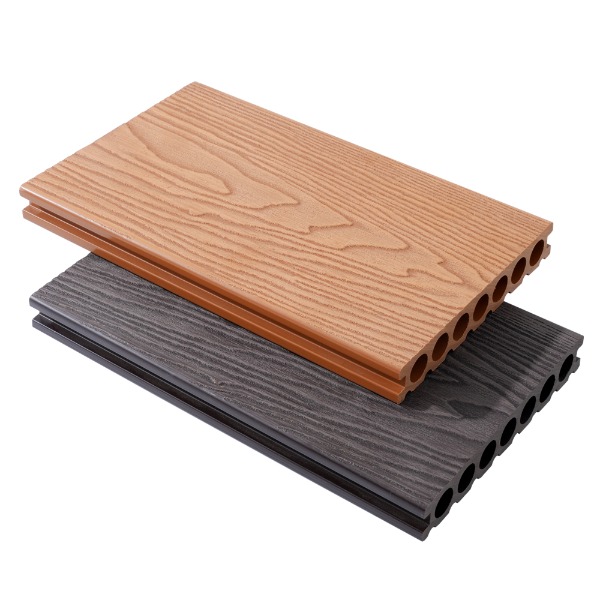
عربىWhat Is Second Generation Co-extrusion Flooring? Second generation co-extrusion flooring is a composite outdoor decking system built with a dual-laye...
READ MORE
Clean air, a human right
Wood plastic composite (WPC) flooring is becoming a popular choice for homeowners and businesses alike, particularly in areas prone to moisture and high humidity.
WPC flooring is a type of engineered flooring made from a blend of wood fibers and plastic polymers. The combination of these materials gives WPC flooring its characteristic durability and resistance to environmental elements. Unlike traditional wood flooring, WPC floors don’t warp or buckle when exposed to moisture, making them a superior choice for areas like kitchens, bathrooms, and basements.
WPC flooring’s most notable feature is its waterproof core. The core typically consists of a mixture of wood powder and thermoplastic polymers, which are fused under high pressure. This process creates a dense, solid material that repels water rather than absorbing it.
Most WPC floors are designed with a protective wear layer on the surface. This layer, usually made of UV-cured polyurethane, acts as a barrier against moisture and stains. Additionally, it provides resistance to scuffs, scratches, and wear, ensuring the flooring remains functional and aesthetically appealing over time.
The polymers in WPC flooring reduce the material’s susceptibility to temperature and humidity-induced expansion and contraction. This makes it ideal for environments where temperature fluctuations are common, such as homes near the coast or in areas with extreme seasonal variations.
Unlike traditional wood floors, which can swell and buckle when exposed to high humidity levels, WPC flooring remains stable. This is due to the inherent properties of the plastic component in the composite material. As a result, WPC flooring doesn’t absorb moisture from the air, making it an excellent choice for high-humidity environments.
| Environment | WPC Flooring Performance | Benefits |
|---|---|---|
| Bathrooms | Excellent | Will not warp or stain from water |
| Kitchens | Excellent | Easily cleaned; waterproof |
| Basements | Excellent | Prevents mold and mildew growth |
| High-Humidity Areas | Excellent | No moisture absorption |
When comparing WPC flooring to other common flooring materials, its moisture resistance stands out. Let’s examine how WPC stacks up against traditional flooring options:
Hardwood flooring is susceptible to moisture damage. When exposed to water or humidity, it can expand, warp, and even develop mold or mildew. WPC flooring, however, provides a moisture-resistant alternative that maintains its shape and integrity.
While laminate flooring is also moisture-resistant to some extent, it can warp if water seeps through the seams. WPC flooring has the added benefit of being completely waterproof, providing better overall protection in moisture-rich environments.
Vinyl flooring is often used in moisture-prone areas and is known for its water resistance. However, WPC flooring offers superior durability and a more natural aesthetic, making it a preferred choice for homeowners seeking both functionality and style.
One of the reasons WPC flooring excels in moist environments is its easy installation process. It can be installed over existing floors without the need for glue or nails, and its interlocking design helps create a tight seal that prevents moisture from seeping beneath the floorboards.
Maintaining WPC flooring in humid environments is simple. Unlike hardwood floors, which require refinishing and frequent maintenance, WPC floors need only regular cleaning with a damp mop. The waterproof core and protective surface layer make them easy to maintain and highly resistant to the effects of moisture, mold, and mildew.
WPC flooring is an excellent choice for environments where moisture and humidity are a concern. With its durable, waterproof core and protective surface layer, WPC flooring resists water absorption and maintains its structural integrity even in challenging conditions. Whether you’re installing it in a bathroom, kitchen, or basement, WPC flooring provides peace of mind and long-lasting performance.
1. Is WPC flooring completely waterproof?
Yes, WPC flooring is designed to be fully waterproof, making it suitable for high-moisture areas like kitchens and bathrooms.
2. Can WPC flooring be used in outdoor environments?
WPC flooring is primarily designed for indoor use. However, certain variations can be used in covered outdoor spaces, but they may not be as durable under direct exposure to the elements.
3. How do I maintain my WPC flooring?
WPC flooring is easy to maintain. Simply clean it with a damp mop and wipe up spills immediately to prevent water from seeping into the seams.
4. Will WPC flooring expand or contract with humidity?
No, the polymers used in WPC flooring help prevent expansion and contraction, making it stable in humid conditions.

What Is Second Generation Co-extrusion Flooring? Second generation co-extrusion flooring is a composite outdoor decking system built with a dual-laye...
READ MOREWhy Outdoor Decking Fails Earlier Than Expected Many outdoor floors look fine on the day they are installed, then start to show problems within a fe...
READ MOREWall panels have become one of the most popular cladding solutions in modern renovation. Homeowners, contractors, and first-time DIYers are drawn to ...
READ MORECan I install wall panels in a bathroom? The short answer is yes, provided you choose a moisture-resistant panel, prepare the wall correctly, and sea...
READ MORE
 No. 6, Nanyuan South Road, Tangyang Town Industrial Park, Dongtai City, China
 [email protected]
 +86-17388015349
Copyright © Jiangsu Xuanhui New Material Technology Co., Ltd. All Rights Reserved.Custom Wood Plastic Composite Environmentally Friendly Materials Factory

