

 English
 Español
 عربى
عربىWhat Is Second Generation Co-extrusion Flooring? Second generation co-extrusion flooring is a composite outdoor decking system built with a dual-laye...
READ MORE
Clean air, a human right
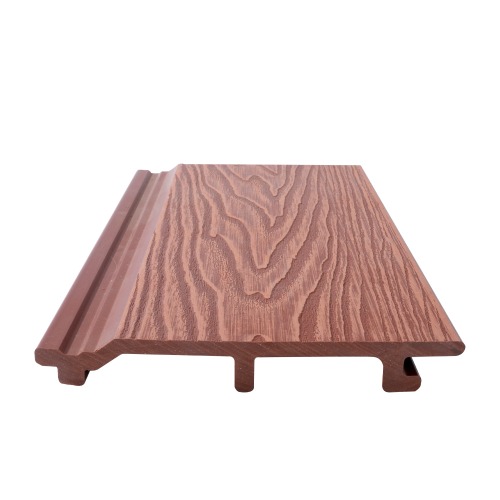
WPC (Wood-Plastic Composite) wall panels are high-performance exterior and interior claddings made from a pressurized blend of recycled wood fibers and high-density polyethylene (HDPE) plastic. Unlike traditional timber, these panels are engineered to be waterproof, rot-proof, and termite-resistant while maintaining the visual texture of natural wood. At Xuanhui, our panels typically consist of 60% wood flour, 30% HDPE, and 10% chemical additives (like UV stabilizers and pigments) to ensure long-term structural integrity in harsh outdoor environments.
If you are managing a commercial build or a high-end residential renovation, the “importance” of WPC boils down to eliminating the maintenance cycle.
Financial Longevity: While the initial material cost of WPC can be 20% to 30% higher than pressure-treated pine, the Return on Investment (ROI) is realized within 3–5 years because it requires zero staining, sealing, or sanding.
You should specify WPC wall panels specifically in “High-Stress” environments where natural organic materials fail.
The “magic” of the WPC panel lies in its co-extrusion technology. In our high-end lines, a 360-degree protective “shield” is extruded around the core.
The Core: Provides the strength and stiffness.
The Shield: An advanced engineering plastic layer that contains the color pigments and UV inhibitors. This layer is what prevents the “graying” effect seen in old-school wood.
The Tongue-and-Groove System: The panels work via an interlocking mechanism. You don’t nail through the face of the board (which looks ugly and creates leak points). Instead, you use hidden clips that allow the board to “float” and breathe.
In the manufacturing world, there is no “perfect” material—only the right material for the job. You need to be aware of the trade-offs:
| Feature | The Pro (Benefit) | The Con (The Trade-off) |
|---|---|---|
| Durability | Won’t rot, peel, or blister for 15-25 years. | Higher upfront “sticker price” than cheap timber. |
| Aesthetics | Consistent color and modern “Great Wall” textures. | It is a composite; it will never be 100% identical to the scent of real cedar. |
| Installation | Fast tongue-and-groove DIY-friendly setup. | Thermal Expansion: Plastic expands. If you don’t leave gaps, the boards will buckle. |
| Safety | High slip resistance and no splinters. | It retains more heat than wood in direct 40°C+ sunlight. |
Weight equals quality in WPC. Many budget manufacturers thin out the “ribs” inside a hollow wall panel to save on shipping. A high-quality panel should feel heavy and rigid. Ask for the density specification—quality WPC typically ranges between 1.2 to 1.3 g/cm³.
There is a big difference between “Recycled HDPE” and “Scrap Plastic.” Low-grade manufacturers use mixed plastic waste that contains impurities, leading to “brittleness.” Ensure your manufacturer uses cleaned, sorted HDPE. Our facility in Yancheng utilizes specialized filtration to ensure the composite remains flexible enough to handle temperature swings without cracking.
Ask your supplier if they have Intertek or SGS test reports regarding color fastness. A quality panel should meet ASTM G154 standards for accelerated weathering. If a manufacturer can’t produce a lab report showing how the material looks after 2,000 hours of UV exposure, walk away.
Expert Tip: Always ask for a “Batch Sample.” What you see in a polished showroom might not be what arrives in the shipping container. At Jiangsu Xuanhui, we encourage clients to perform a “Boil Test”—submerge a sample in boiling water for 2 hours. If it delaminates or expands significantly, the bonding agent is weak.
Final Word: WPC isn’t just a “plastic board.” It’s an engineering solution for a world where labor is expensive and natural resources are thinning. If you build it right once, you never have to build it again.

What Is Second Generation Co-extrusion Flooring? Second generation co-extrusion flooring is a composite outdoor decking system built with a dual-laye...
READ MOREWhy Outdoor Decking Fails Earlier Than Expected Many outdoor floors look fine on the day they are installed, then start to show problems within a fe...
READ MOREWall panels have become one of the most popular cladding solutions in modern renovation. Homeowners, contractors, and first-time DIYers are drawn to ...
READ MORECan I install wall panels in a bathroom? The short answer is yes, provided you choose a moisture-resistant panel, prepare the wall correctly, and sea...
READ MORE
 No. 6, Nanyuan South Road, Tangyang Town Industrial Park, Dongtai City, China
 [email protected]
 +86-17388015349
Copyright © Jiangsu Xuanhui New Material Technology Co., Ltd. All Rights Reserved.Custom Wood Plastic Composite Environmentally Friendly Materials Factory

