

 English
 Español
 عربى
عربىWhy Outdoor Decking Fails Earlier Than Expected Many outdoor floors look fine on the day they are installed, then start to show problems within a fe...
READ MORE
Clean air, a human right
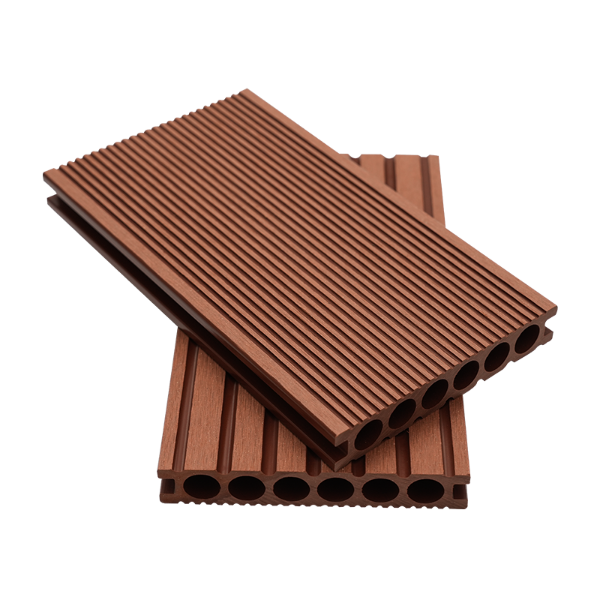
Wood-plastic composite (WPC) decking boards have emerged as a popular choice for outdoor decking applications due to their durability, low maintenance, and versatility. WPC composite decking combines wood fibers with plastic, resulting in a material that mimics the appearance of wood while offering enhanced performance. As an alternative to traditional wood decking, WPC composite boards offer numerous advantages, including greater resistance to weathering, water, and slipping.
WPC composite decking boards are manufactured by combining wood fibers (such as sawdust, wood chips, or wood flour) with plastic (typically polyethylene or polypropylene). The combination of these two materials creates a durable, long-lasting decking board that can withstand the elements better than traditional wood. The production process involves heating and molding the mixture into the desired shape, creating decking boards that are easy to install and maintain.
Key Characteristics of WPC Composite Decking Boards:
Durability
WPC composite decking boards are known for their outstanding durability. Unlike wood, which can warp, crack, and splinter over time, WPC boards are engineered to withstand harsh weather conditions, including intense sun, rain, and humidity. This makes them ideal for outdoor use in various climates. Moreover, WPC decking is resistant to fading, ensuring that its color remains consistent for years.
Waterproof and Anti-Slip Properties
One of the most significant advantages of WPC composite decking boards is their ability to resist water. The plastic content in the composite material prevents water absorption, reducing the likelihood of mold, mildew, and rot. This waterproof nature makes WPC decking particularly popular in regions with high rainfall or moisture. Additionally, many WPC boards are designed with anti-slip surfaces, which provide a safer walking surface compared to traditional wood decking. This feature is especially useful in wet conditions.
Low Maintenance
WPC composite decking boards require minimal maintenance compared to wood. Traditional wood decking requires regular staining, sealing, and painting to protect it from the elements. In contrast, WPC boards only need occasional cleaning with soap and water to keep them looking new. This makes them a more convenient and cost-effective option for homeowners who want to reduce maintenance time and expenses.
Eco-Friendly
WPC composite decking is often considered an environmentally friendly option. The wood fibers used in the production of WPC boards are typically sourced from recycled wood, which reduces the need for deforestation. The plastic content can also be made from recycled materials, further reducing its environmental impact.
While both WPC composite decking and wood decking are popular choices for outdoor spaces, they offer different benefits and drawbacks. Understanding these differences can help you choose the best material for your needs.
| Feature | WPC Composite Decking | Wood Decking |
|---|---|---|
| Durability | Highly durable, resistant to weather, UV, and insects | Prone to warping, splintering, and decay |
| Maintenance | Low maintenance, requires occasional cleaning | Requires regular staining, sealing, and cleaning |
| Water Resistance | Waterproof, resistant to mold and mildew | Susceptible to water damage, mold, and rot |
| Appearance | Mimics wood with various color options | Natural wood look, but may fade or discolor over time |
| Slip Resistance | Anti-slip surface available | Can become slippery when wet, requires treatments |
| Eco-Friendly | Often made from recycled materials | Can contribute to deforestation if not sustainably sourced |
Extended Lifespan
WPC composite decking boards generally last longer than wood decking. While traditional wood may last 10–15 years, WPC boards can last up to 25 years or more with minimal wear and tear. The composite material’s resistance to rot, insects, and water ensures that the decking boards retain their structural integrity over a longer period.
Resistance to Fading and Staining
Unlike wood, which can fade and stain due to exposure to the sun and outdoor elements, WPC composite decking retains its color for years. The plastic coating on the surface of the WPC boards helps protect against UV rays, preventing the decking from turning gray or fading over time. Additionally, many WPC decking boards are resistant to staining from substances such as food, beverages, or oils.
Safety Features
Another area where WPC composite decking excels is safety. Traditional wood decking can become slippery when wet, creating a potential hazard. WPC boards, however, are available with anti-slip surface options that improve traction, making them safer for use in areas where moisture is common, such as around pools or in rainy climates.
Design Flexibility
WPC composite decking boards come in a wide range of colors, textures, and designs, allowing homeowners to choose the perfect look for their outdoor space. Whether you prefer the appearance of natural wood or a more modern aesthetic, WPC decking offers various design options to match your style.
WPC composite decking is used in various outdoor applications, such as:
WPC composite decking boards are an excellent alternative to traditional wood decking due to their durability, low maintenance requirements, and eco-friendliness. With their resistance to water, fading, and slipping, WPC boards provide a long-lasting and aesthetically appealing solution for outdoor spaces. Whether you’re building a new deck or renovating an existing one, WPC composite decking offers the perfect combination of functionality and style.
As a product that continues to gain popularity, many homeowners and businesses are turning to WPC composite decking as their material of choice. Not only does it offer superior performance compared to wood, but it also helps contribute to a more sustainable future by utilizing recycled materials in its production.
1. What is the lifespan of WPC composite decking?
WPC composite decking typically lasts 25 years or more, depending on maintenance and environmental factors.
2. Is WPC composite decking more expensive than wood?
While WPC composite decking may have a higher upfront cost than wood, it is more cost-effective in the long run due to its durability and low maintenance requirements.
3. Can WPC composite decking be installed on uneven surfaces?
Yes, WPC composite decking can be installed on uneven surfaces as long as proper support structures are used to ensure a stable foundation.
4. How do I clean WPC composite decking?
WPC composite decking is easy to clean. Simply use soap and water with a soft brush to remove dirt and debris.
5. Does WPC composite decking fade over time?
No, WPC composite decking is designed to resist fading caused by UV exposure, maintaining its color and appearance for years.

Why Outdoor Decking Fails Earlier Than Expected Many outdoor floors look fine on the day they are installed, then start to show problems within a fe...
READ MOREWall panels have become one of the most popular cladding solutions in modern renovation. Homeowners, contractors, and first-time DIYers are drawn to ...
READ MORECan I install wall panels in a bathroom? The short answer is yes, provided you choose a moisture-resistant panel, prepare the wall correctly, and sea...
READ MOREWhen you search for a "wpc factory" online, you are not just looking for any supplier. You are hunting for a partner who can deliver consistent qual...
READ MORE
 No. 6, Nanyuan South Road, Tangyang Town Industrial Park, Dongtai City, China
 [email protected]
 +86-17388015349
Copyright © Jiangsu Xuanhui New Material Technology Co., Ltd. All Rights Reserved.Custom Wood Plastic Composite Environmentally Friendly Materials Factory

