

 English
 Español
 عربى
عربىWhy Outdoor Decking Fails Earlier Than Expected Many outdoor floors look fine on the day they are installed, then start to show problems within a fe...
READ MORE
Clean air, a human right
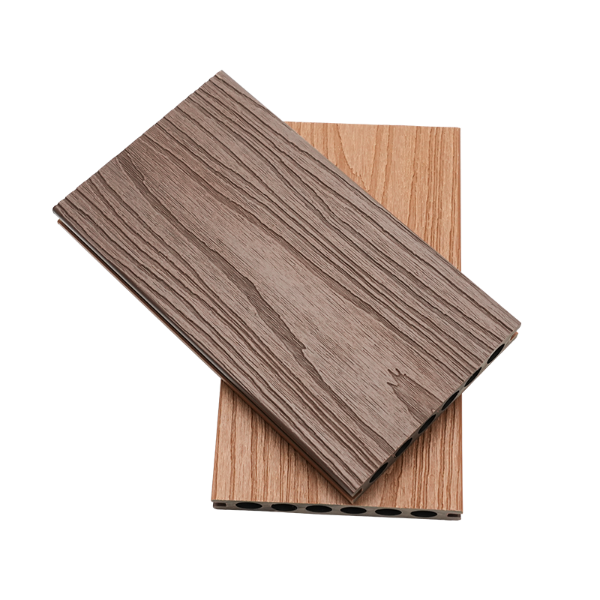
WPC (Wood Plastic Composite) composite decking boards have become a popular choice for outdoor decking, known for their durability, low maintenance, and eco-friendly properties. However, like any outdoor material, WPC composite decking boards may experience certain issues over time.
Fading is a common issue with outdoor decking materials, especially when exposed to prolonged sunlight and weather conditions. Over time, WPC composite decking boards may lose their original color, becoming dull or uneven.
WPC decking boards can sometimes warp or buckle due to moisture absorption, temperature fluctuations, or improper installation. This can affect both the aesthetics and the functionality of the deck.
WPC composite decking boards, like any outdoor material, are susceptible to mold and mildew growth if exposed to excessive moisture. This can create a slippery surface and cause damage to the boards over time.
Squeaky or loose WPC composite decking boards are a common issue, especially in older decks or those that have experienced heavy foot traffic. This can be caused by worn-out fasteners, improper installation, or moisture expansion.
Spills of liquids such as oils, food, or beverages can cause stains on the surface of WPC composite decking boards. While the material is typically resistant to staining, certain substances can leave marks that are difficult to remove.
Waterproof anti-slip WPC decking boards are designed to provide enhanced durability and safety. These boards are specially engineered to resist water absorption, preventing issues like warping, mold, and mildew. The anti-slip properties of these boards also make them an excellent choice for outdoor areas that are frequently exposed to moisture, such as pool decks, patios, and garden walkways.
Proper maintenance is key to ensuring the longevity and appearance of your WPC composite decking boards. Here are some best practices:
Regular Cleaning: Sweep off debris and dirt regularly to avoid buildup that can lead to staining or discoloration. Clean with mild soap and water.
Avoid Harsh Chemicals: Do not use bleach or abrasive cleaners on your decking, as these can damage the surface.
Inspect for Damage: Check the boards regularly for signs of wear, such as cracks, loose fasteners, or signs of moisture damage. Replace damaged boards immediately to prevent further issues.
Proper Installation: Ensure the decking is installed according to the manufacturer’s instructions, leaving enough space for expansion and ventilation.
Use a Protective Coating: Apply a protective sealant or wax to protect the surface from UV damage and staining.
1. How do I prevent fading on my WPC composite decking boards?
Fading can be minimized by regularly cleaning the boards, applying UV-protectant coatings, and choosing high-quality, fade-resistant WPC decking boards.
2. Why does my WPC deck feel slippery after it rains?
The surface of WPC decking can become slippery if it has mold, mildew, or moss growth. Regular cleaning and applying anti-slip coatings can help maintain traction.
3. What should I do if my WPC decking boards are warped or buckling?
Warping can be addressed by ensuring proper installation with adequate expansion gaps and using a ventilated substructure to reduce moisture buildup.
4. Are waterproof anti-slip WPC decking boards worth the investment?
Yes, waterproof anti-slip WPC decking boards offer enhanced safety and durability, especially in high-moisture areas like poolside decks or outdoor dining areas.
5. Can I install WPC composite decking boards myself?
While it is possible to install WPC decking yourself, it’s essential to follow the manufacturer’s installation instructions carefully to ensure proper performance and longevity.

Why Outdoor Decking Fails Earlier Than Expected Many outdoor floors look fine on the day they are installed, then start to show problems within a fe...
READ MOREWall panels have become one of the most popular cladding solutions in modern renovation. Homeowners, contractors, and first-time DIYers are drawn to ...
READ MORECan I install wall panels in a bathroom? The short answer is yes, provided you choose a moisture-resistant panel, prepare the wall correctly, and sea...
READ MOREWhen you search for a "wpc factory" online, you are not just looking for any supplier. You are hunting for a partner who can deliver consistent qual...
READ MORE
 No. 6, Nanyuan South Road, Tangyang Town Industrial Park, Dongtai City, China
 [email protected]
 +86-17388015349
Copyright © Jiangsu Xuanhui New Material Technology Co., Ltd. All Rights Reserved.Custom Wood Plastic Composite Environmentally Friendly Materials Factory

