

 English
 Español
 عربى
عربىWhy Outdoor Decking Fails Earlier Than Expected Many outdoor floors look fine on the day they are installed, then start to show problems within a fe...
READ MORE
Clean air, a human right
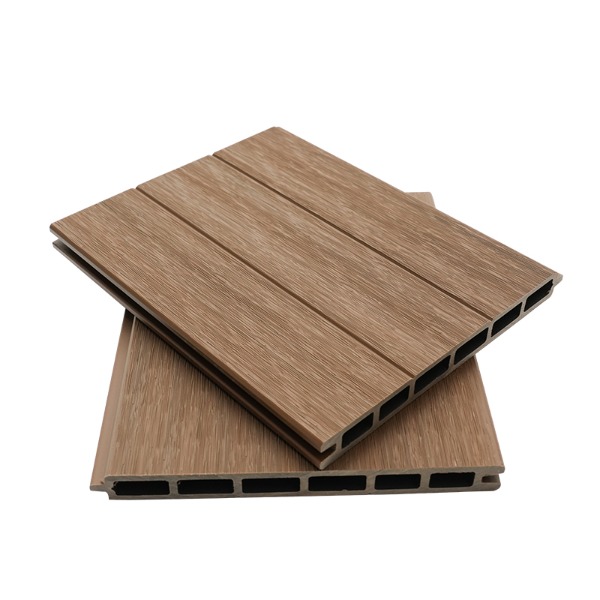
Upgrading your old fence doesn’t have to be a complicated or expensive task. With WPC (Wood Plastic Composite) fencing, you can easily revamp your fence with a modern, durable, and low-maintenance solution. WPC fencing combines the beauty of wood with the strength and durability of plastic, making it an ideal choice for both residential and commercial properties.
Before you begin, it’s important to gather all the necessary materials and tools to ensure a smooth installation process. Here is a list of items you’ll need:
| Material/Tool | Description |
|---|---|
| WPC boards (with tongue-and-groove design) | These are the main building blocks of your fence. |
| Galvanized square tubes | Used for the support frame of the fence. |
| Anti-rust paint | Protects the metal parts from rust and corrosion. |
| L-shaped edge trim | Provides a clean finish and extra stability to the fence. |
| Dovetail screws | Used to secure the WPC boards to the support frame. |
| Electric drill and screwdriver | Tools for making holes and driving screws into place. |
| Measuring tape | Ensures precise measurements for accurate cuts. |
| Saw | Used to cut WPC boards and galvanized tubes to the right length. |
| Safety gloves and goggles | Ensures safety during the cutting, welding, and drilling process. |
Having all the required materials and tools ready before starting ensures that the installation will be efficient and less time-consuming.
The first step is to create a solid support frame using galvanized square tubes. Weld the tubes securely at both the top and bottom of your existing fence structure. This frame will serve as the backbone of your WPC fencing, ensuring it remains stable and strong, able to withstand external forces such as wind and impact. Properly welded tubes provide a strong foundation for your new fence.
After the welding process, it’s crucial to protect the metal parts from rust. Use anti-rust paint to coat all exposed metal areas, including the welded sections. This step not only enhances the lifespan of your fence but also helps maintain its aesthetic appeal over time. By protecting the support frame from corrosion, you can rest assured your WPC fencing will stand the test of time.
Next, it’s time to install the WPC boards. These boards come with a tongue-and-groove design, which ensures a seamless fit without any gaps. This feature not only improves the appearance of your fence but also adds to its structural integrity. Use dovetail screws to secure the boards directly to the galvanized square tubes. Ensure the spacing between the tubes is about 30 to 60 centimeters, as this will contribute to the overall strength and durability of the fence.
Once the boards are in place, the next step is to install the L-shaped edge trim at the top of your fence. This trim not only adds a polished look to your fence but also provides additional stability and protection to the edges of the WPC boards. Fix the trim securely with screws, ensuring a tight fit that enhances the fence’s overall appearance.
After all the boards and trims are installed, take a moment to check for any loose screws or uneven boards. Tighten any loose components and ensure everything is secure. Finally, clean the surface of your fence to remove any dust or debris. A clean, well-maintained fence will continue to look great for years to come.
Upgrading your old fence with WPC fencing is a straightforward, cost-effective way to improve both the functionality and aesthetic appeal of your property. Whether you are replacing an outdated fence or simply enhancing the look of your garden or perimeter, WPC fencing offers a modern solution that is not only durable but also requires minimal maintenance. By following these easy steps, you can transform your old fence into a stylish, long-lasting structure that will enhance your property for years to come.
1. What is WPC fencing and why is it better than traditional wood fencing?
WPC fencing is made from a blend of wood fibers and plastic, making it more durable and resistant to elements like moisture, mold, and insects. Unlike traditional wood, WPC fencing requires less maintenance and lasts longer, making it an excellent investment.
2. How do I clean my WPC fence?
Cleaning your WPC fence is simple. Use a mixture of water and mild soap to gently clean the surface. Avoid harsh chemicals that may damage the finish of the WPC boards.
3. Can WPC fencing be installed on an existing fence structure?
Yes, you can easily install WPC fencing on your existing fence structure. Simply follow the step-by-step guide to attach the WPC boards to a galvanized square tube support frame.
4. How long will my WPC fence last?
With proper installation and minimal maintenance, WPC fencing can last for many years. The material is designed to withstand weather conditions and resist common issues such as rot, decay, and warping, ensuring long-term durability.
5. Is WPC fencing eco-friendly?
Yes, WPC fencing is an eco-friendly option. It is made from a combination of wood fibers and recycled plastic, which reduces waste and helps conserve natural resources.

Why Outdoor Decking Fails Earlier Than Expected Many outdoor floors look fine on the day they are installed, then start to show problems within a fe...
READ MOREWall panels have become one of the most popular cladding solutions in modern renovation. Homeowners, contractors, and first-time DIYers are drawn to ...
READ MORECan I install wall panels in a bathroom? The short answer is yes, provided you choose a moisture-resistant panel, prepare the wall correctly, and sea...
READ MOREWhen you search for a "wpc factory" online, you are not just looking for any supplier. You are hunting for a partner who can deliver consistent qual...
READ MORE
 No. 6, Nanyuan South Road, Tangyang Town Industrial Park, Dongtai City, China
 [email protected]
 +86-17388015349
Copyright © Jiangsu Xuanhui New Material Technology Co., Ltd. All Rights Reserved.Custom Wood Plastic Composite Environmentally Friendly Materials Factory

