

 English
 Español
 عربى
عربىWhy Outdoor Decking Fails Earlier Than Expected Many outdoor floors look fine on the day they are installed, then start to show problems within a fe...
READ MORE
Clean air, a human right
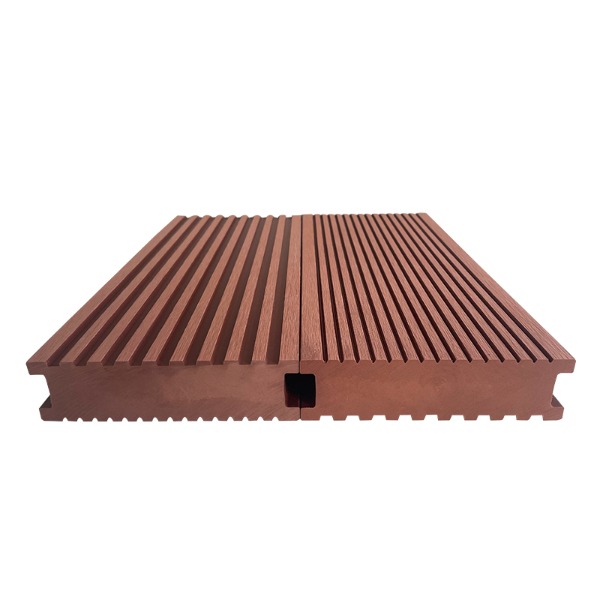
In recent years, WPC composite decking boards have gained significant attention in outdoor construction and landscaping projects. Combining the durability of wood with the resilience of plastic, this material offers an attractive, low-maintenance alternative to traditional timber decking. With features such as moisture resistance, long service life, and minimal upkeep, waterproof anti slip WPC decking has become a preferred solution for residential patios, balconies, and commercial outdoor spaces.
However, one critical decision remains for property owners and project planners: should the decking be installed through a do-it-yourself (DIY) approach or by hiring professional installers? This choice affects not only the final appearance but also the structural integrity, longevity, and overall cost of the project.
Before comparing installation methods, it is essential to understand what makes WPC composite decking boards unique.
WPC (Wood Plastic Composite) is engineered from a blend of wood fibers and thermoplastics. This composition results in a material that retains the natural aesthetic of wood while offering superior resistance to moisture, insects, and weathering.
| Feature | Description |
|---|---|
| Moisture Resistance | Ideal for outdoor environments and humid climates |
| Anti-Slip Surface | Enhances safety, especially in wet conditions |
| Low Maintenance | No need for regular painting or sealing |
| Durability | Resistant to rot, warping, and cracking |
| Eco-Friendly Composition | Often made from recycled materials |
| Aesthetic Versatility | Available in various colors and textures |
These characteristics make waterproof anti slip WPC decking particularly suitable for areas exposed to rain, poolside environments, and high foot traffic zones.
DIY installation refers to the process where homeowners or project managers undertake the decking installation themselves without hiring professional contractors.
Site preparation and measurement
Substructure (joist) installation
Placement of WPC composite decking boards
Fastening using clips or screws
Finishing edges and trims
While the process may seem straightforward, it requires a clear understanding of construction principles and attention to detail.
One of the most appealing aspects of DIY installation is the potential reduction in labor costs. By eliminating professional fees, the total project budget can be significantly lowered.
DIY projects allow individuals to work at their own pace. This flexibility is beneficial for those balancing installation with other commitments.
Completing a decking project independently can provide a strong sense of achievement and ownership.
Despite its advantages, DIY installation comes with notable risks.
Proper installation of WPC flooring requires precise alignment, spacing, and structural support. Mistakes in joist spacing or board fastening can lead to long-term issues such as deformation or instability.
Specialized tools may be needed for cutting, leveling, and securing decking boards. Acquiring these tools can offset some of the initial cost savings.
DIY projects often take longer than anticipated, especially for individuals without prior experience.
Incorrect installation can compromise the performance of waterproof anti slip WPC decking, leading to drainage issues or reduced lifespan.
Professional installation involves hiring experienced contractors who specialize in decking systems. These professionals bring technical expertise, efficient workflows, and industry-standard practices to the project.
Professionals understand the nuances of installing WPC composite decking boards, including proper substructure design, expansion gaps, and fastening techniques.
Experienced installers can complete projects significantly faster than DIY efforts, minimizing disruption to daily activities.
Professional installation ensures that the decking performs as intended, maintaining its structural integrity and aesthetic appeal over time.
By relying on skilled labor, the likelihood of installation errors is minimized, which helps avoid costly repairs in the future.
Labor costs can increase the overall project budget. However, this cost often reflects the quality and reliability of the installation.
Availability of professionals may require advance booking, which could delay project timelines.
To better understand the differences, the following table compares key aspects of both approaches:
| Criteria | DIY Installation | Professional Installation |
|---|---|---|
| Cost | Lower upfront cost | Higher due to labor fees |
| Time | Longer, depends on skill level | Faster and more efficient |
| Skill Requirement | Moderate to high | Handled by experts |
| Risk of Errors | Higher | Lower |
| Tools Needed | Must be purchased or rented | Provided by professionals |
| Finish Quality | Varies | Consistently high |
| Long-Term Performance | Depends on installation accuracy | Optimized for durability |
Small decks or simple layouts may be manageable for DIY installation. Larger or more complex designs often benefit from professional expertise.
If budget is limited, DIY may seem appealing. However, potential repair costs should also be considered.
Individuals with construction experience may successfully install WPC flooring, while beginners may face challenges.
DIY projects require a significant time commitment, which may not be feasible for everyone.
For high-visibility areas or commercial spaces, professional installation ensures a polished and consistent result.
Regardless of the chosen method, certain mistakes should be avoided:
These issues can affect the performance of waterproof anti slip WPC decking and reduce its lifespan.
While avoiding excessive numerical data, it is important to understand cost components.
| Cost Component | DIY Installation | Professional Installation |
|---|---|---|
| Materials | Same for both | Same for both |
| Labor | Not applicable | Significant portion |
| Tools | Additional expense | Included |
| Maintenance Risk | Higher if errors occur | Lower due to proper setup |
Although DIY reduces immediate expenses, professional installation may offer better long-term value through durability and reduced maintenance.
The longevity of WPC composite decking boards largely depends on installation quality.
Improper installation can lead to:
Proper installation ensures:
Waterproof anti slip WPC decking is designed to enhance safety, especially in wet environments. However, improper installation can compromise these benefits.
Professionals ensure:
DIY installers must carefully follow guidelines to achieve similar results.
DIY installation may be suitable when:
Professional installation is recommended when:
Choosing between DIY and professional installation for WPC composite decking boards is a decision that depends on multiple factors, including budget, skill level, project scale, and desired outcome.
DIY installation offers cost savings and flexibility but comes with higher risks and time investment. In contrast, professional installation provides expertise, efficiency, and long-term reliability, often justifying the higher upfront cost.
Ultimately, the goal is to ensure that waterproof anti slip WPC decking performs as intended—delivering durability, safety, and aesthetic appeal for years to come. By carefully evaluating your resources and project requirements, you can select the installation method that best aligns with your expectations.
1. Is WPC composite decking suitable for DIY installation?
Yes, it can be installed as a DIY project, but it requires proper tools, planning, and attention to detail to ensure long-term performance.
2. How long does WPC decking last after installation?
When installed correctly, WPC flooring and decking systems can provide long-lasting performance with minimal maintenance.
3. Does professional installation improve durability?
Yes, professional installation ensures proper alignment, drainage, and structural support, which enhances durability.
4. Is waterproof anti slip WPC decking safe for outdoor use?
Yes, it is specifically designed for outdoor environments, offering moisture resistance and improved traction.
5. What is the biggest risk of DIY decking installation?
The main risk is improper installation, which can lead to structural issues, reduced lifespan, and additional repair costs.

Why Outdoor Decking Fails Earlier Than Expected Many outdoor floors look fine on the day they are installed, then start to show problems within a fe...
READ MOREWall panels have become one of the most popular cladding solutions in modern renovation. Homeowners, contractors, and first-time DIYers are drawn to ...
READ MORECan I install wall panels in a bathroom? The short answer is yes, provided you choose a moisture-resistant panel, prepare the wall correctly, and sea...
READ MOREWhen you search for a "wpc factory" online, you are not just looking for any supplier. You are hunting for a partner who can deliver consistent qual...
READ MORE
 No. 6, Nanyuan South Road, Tangyang Town Industrial Park, Dongtai City, China
 [email protected]
 +86-17388015349
Copyright © Jiangsu Xuanhui New Material Technology Co., Ltd. All Rights Reserved.Custom Wood Plastic Composite Environmentally Friendly Materials Factory

