

 English
 Español
 عربى
عربى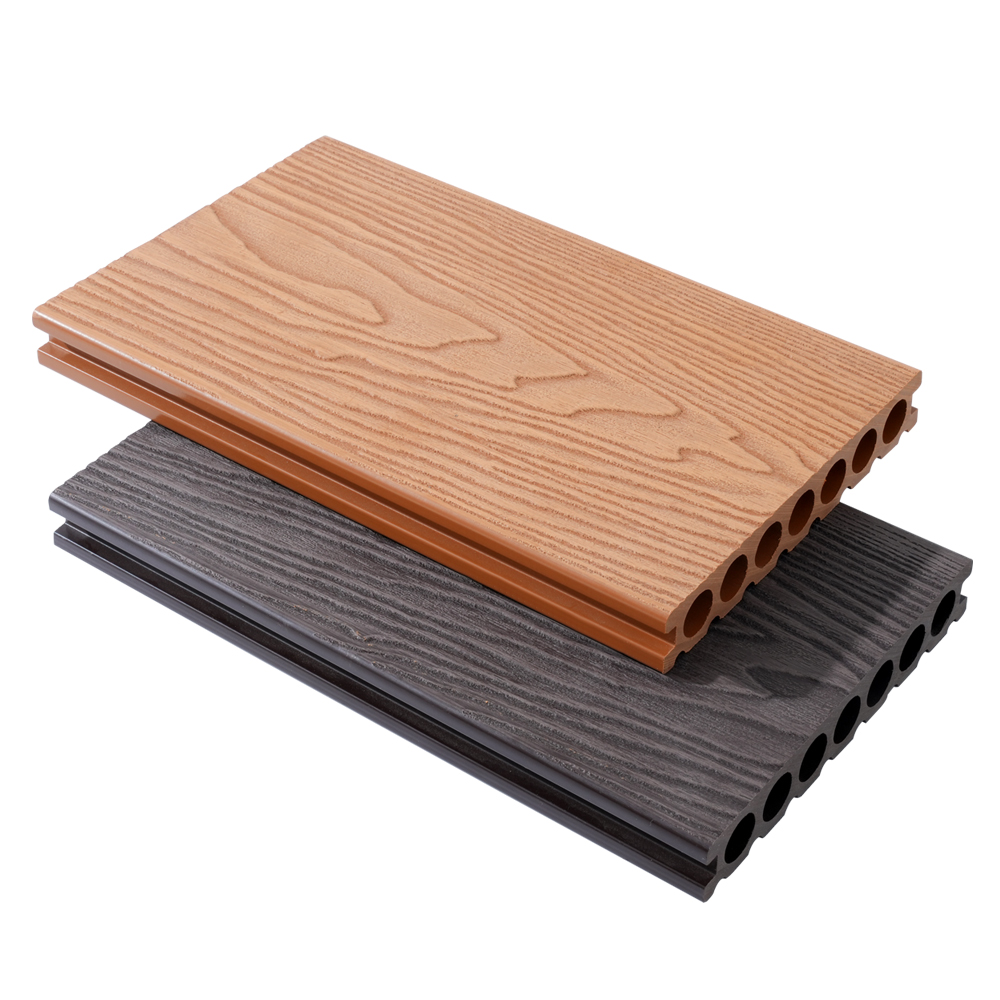
Why Outdoor Decking Fails Earlier Than Expected Many outdoor floors look fine on the day they are installed, then start to show problems within a fe...
READ MORE
Clean air, a human right
Wood-plastic composite decking has revolutionized outdoor living spaces by combining the aesthetic appeal of natural wood with the durability of modern materials. However, like any outdoor surface, WPC flooring requires proper care to maintain its appearance and structural integrity. This comprehensive guide will walk you through everything you need to know about cleaning and maintaining your composite deck across all seasons.
Before diving into maintenance strategies, it is essential to understand what WPC composite decking actually consists of. WPC stands for wood-plastic composite, a material engineered from a blend of wood fibers and thermoplastic polymers. This combination creates a product that resists moisture absorption, decay, and insect damage far better than traditional wood.
The hybrid nature of WPC decking provides several advantages: resistance to rotting, reduced splinting, lower maintenance requirements compared to solid wood, and enhanced color stability. However, certain vulnerabilities exist. The plastic component can be susceptible to mold and mildew in extremely damp conditions, and some composites may experience slight color fading under prolonged UV exposure. Understanding these characteristics helps determine appropriate cleaning methods and protective measures.
Key Insight: Different WPC products vary in plastic-to-wood ratios and additive formulations. Always consult your manufacturer's specific care instructions, as recommendations may differ between brands and product lines.
Effective WPC decking maintenance varies by season. Each period presents unique challenges, from spring pollen and summer UV exposure to autumn leaf debris and winter ice accumulation. A seasonal approach ensures your deck remains pristine throughout the year.
Spring is the ideal time to perform deep cleaning after winter dormancy. During winter, organic debris accumulates, and moisture damage may have occurred. Begin by removing all furniture, planters, and obstacles from the deck surface.
Sweep thoroughly to remove loose debris, dirt, and pollen
Use a leaf blower on lower settings to dislodge particles from deck crevices
Inspect for winter damage, including loose boards or hardware corrosion
Check for mold or mildew growth in shaded areas
Power wash at low pressure (below 1500 PSI) to avoid damaging the composite surface
For stubborn stains accumulated over winter, create a cleaning solution using mild dish soap and warm water. Apply with a soft-bristle brush, working in the direction of the deck boards. Rinse thoroughly with a garden hose, ensuring all soap residue is removed.
Summer brings intense sun exposure and increased foot traffic. While WPC decking contains UV inhibitors, prolonged direct sunlight can gradually fade colors. During summer months, focus on routine maintenance and protecting the deck surface.
Perform weekly sweeping to remove dust and pollen
Address spills immediately to prevent staining
Apply a UV-protective sealant designed for composite decking (following product guidelines)
Use furniture pads under outdoor seating to prevent surface marks
Consider shade structures or umbrellas for particularly sunny areas
Summer is also prime time for mold and mildew prevention. Ensure proper drainage beneath and around your deck. If you notice any green or black spots, address them immediately with a composite-safe fungicide solution.
Autumn presents the challenge of falling leaves and decomposing organic matter. These materials, when left on the deck surface, can trap moisture and promote mold growth.
Rake leaves regularly to prevent accumulation
Clean gutters above the deck to prevent water overflow
Remove any moss or algae growth with appropriate cleaners
Inspect and seal any gaps or joints where debris might collect
Prepare the deck surface for winter conditions
Winter poses unique challenges, particularly in cold climates where ice and salt damage can occur. WPC decking is more resistant to salt damage than wood, but precautions are still necessary.
Remove snow and ice promptly to prevent weight stress and moisture issues
Use plastic shovels or snow removal tools rather than metal implements
Avoid salt-based de-icers; opt for calcium chloride or sand alternatives
Allow air circulation to prevent ice dam formation on the deck surface
Inspect drainage systems to ensure water doesn't pool and freeze
Establishing a basic cleaning routine prevents dirt accumulation and extends the life of your composite deck significantly.
Perform deep cleaning at least once per season or more frequently in high-traffic areas. This removes embedded dirt, mold spores, and stains that regular sweeping cannot address.
Soap and Water Method (Recommended)Mix 1/4 cup mild dish soap with 1 gallon of warm water
Apply the solution generously across the deck surface
Allow 10-15 minutes for the soap to penetrate stains
Scrub with a soft-bristle brush in the direction of the boards
Rinse thoroughly with a garden hose
Allow 24-48 hours for complete drying before using the deck
Pressure Washing (Caution Required)Power washing can be effective but requires proper technique to avoid damage. Use only equipment with PSI ratings below 1500, and maintain a distance of at least 12 inches from the surface. Never use hot water, as extreme temperatures can warp composite materials. Direct the spray parallel to the boards rather than perpendicular, which can force water into gaps and cause swelling.
Vinegar Solution for Mold and MildewFor organic growth, mix equal parts white vinegar and water in a spray bottle. Apply to affected areas and allow to sit for 15 minutes. Scrub gently with a soft brush and rinse thoroughly. This natural solution effectively eliminates mold without harsh chemicals that might damage the composite structure.
Different stains require different approaches. Identifying the stain type allows you to select the most effective removal method without causing unnecessary surface damage.
| Stain Type | Cause | Removal Method |
|---|---|---|
| Organic (algae, mold) | Moisture and shade | Vinegar solution or composite-safe fungicide |
| Rust | Metal furniture or hardware oxidation | Citric acid solution; scrub gently and rinse |
| Tannins (leaf marks) | Decomposing leaves and organic debris | Oxygen-based deck cleaner or oxalic acid |
| Food/Beverage | Spills and outdoor entertaining | Immediate blotting, then soap and water |
| Grease/Oil | Cooking or vehicle fluids | Degreaser product designed for composites |
Wine or Juice Stains: Blot immediately with paper towels. Mix baking soda with water to form a paste. Apply to the stain, let sit for 10 minutes, then scrub and rinse. For stubborn stains, repeat the process or use a mild oxygen-based cleaner.
Tar or Adhesive Residue: Do not use harsh solvents that can damage the composite. Instead, apply a small amount of rubbing alcohol to a cloth and gently rub the affected area. Remove gummy residue with a plastic scraper, never metal tools that will scratch the surface.
Pet Stains: For urine or fecal matter, clean immediately with warm soapy water and a disinfectant-grade cleaner. Composite decking resists permanent staining from pet accidents better than wood, but prompt cleaning prevents odor absorption and bacterial growth.
The most effective maintenance strategy is prevention. By implementing protective measures, you reduce the frequency and intensity of staining and degradation.
Heavy outdoor furniture can create permanent marks on composite surfaces. Use furniture pads beneath all legs—ideally felt pads for wood furniture and rubber pads for metal frames. Rotate furniture periodically to prevent concentrated pressure on single areas. Consider using deck rugs in high-traffic zones to distribute wear evenly.
Keep grills at least 10 feet away from the deck edge whenever possible. If grilling must occur on the deck, place a grill mat underneath to protect the surface from heat and dripping fat. Never leave a grill unattended, and always ensure it cools completely before moving. Hot surfaces can permanently damage the plastic component of WPC decking.
Avoid prolonged exposure to harsh chemicals, certain pesticides, and fertilizers. If chemicals are applied to nearby landscaping, ensure they do not drain onto the deck. When cleaning with any chemical-based product, always test on an inconspicuous area first. Some commercial cleaners designed for other surfaces can discolor or damage composite materials.
Proper drainage is critical for WPC decking longevity. Ensure that water does not pool beneath the deck structure. Install or maintain proper grading around the deck perimeter. Clear gutters and downspouts regularly so water drains away from the deck base. Adequate airflow underneath prevents moisture accumulation and reduces mold risk significantly.
While wpc click flooring and other composite products are more weather-resistant than natural wood, applying protective coatings can extend lifespan and enhance appearance.
UV inhibitor sealants reduce color fading caused by prolonged sun exposure. These products create a transparent barrier that allows the natural appearance of the decking to show while providing protection. Apply UV sealants annually or biennially, depending on sun exposure intensity and geographic location. Products formulated specifically for composite materials will not trap moisture or create a slippery surface.
Some manufacturers offer stain-resistant treatments that create a hydrophobic layer on the deck surface. These treatments cause liquids to bead and roll off rather than penetrating the material. Effectiveness varies, and reapplication may be necessary every 1-2 years. Always confirm that any treatment product is compatible with your specific deck material before application.
If your deck becomes slippery when wet, anti-slip coatings or adhesive strips can improve safety without compromising the aesthetic. These products are particularly important for elevated decks or areas with children and elderly individuals. Choose composite-safe formulations that won't degrade the material or create permanent staining.
Investing in proper tools ensures effective cleaning while preventing accidental damage to your composite decking investment.
Soft-bristle broom or brush (never wire brushes that can scratch)
Plastic or wooden scraper (metal implements risk surface damage)
Garden hose with adjustable spray nozzle
Power washer with PSI below 1500 if pressure washing
Spray bottles for applying cleaning solutions
Soft cloths or microfiber towels for drying and buffing
Furniture pads and protective rugs
Dehumidifier for extremely damp climates or shaded areas
Mild dish soap for general cleaning
White vinegar for natural mold and mildew removal
Oxygen-based deck cleaner for tougher stains
Composite-specific fungicide for severe organic growth
Baking soda for general stain treatment
Citric acid solution for rust stains
UV protective sealant appropriate for your deck type
Certain cleaning products can damage or discolor WPC decking. Never use bleach-based cleaners, which can cause permanent discoloration and weaken the plastic component. Avoid oil-based stains or sealers designed for solid wood, as these are incompatible with composite materials. Do not use acid-based cleaners except in highly diluted forms for specific stains. Always read product labels carefully and test unfamiliar cleaners on a hidden area first.
WPC composite decking is highly durable, but surface damage can occasionally occur from impact, sharp objects, or extreme weather events. Minor scratches and scuffs typically do not require immediate repair, as they do not compromise water resistance or structural integrity. For cosmetic concerns, color-matched touch-up compounds designed for composites can provide acceptable results for small damaged areas.
If mold or mildew returns repeatedly despite cleaning efforts, the underlying issue is likely moisture accumulation or poor drainage. Simply cleaning the affected area repeatedly will not solve the problem. Address drainage issues by improving ventilation beneath the deck, ensuring water flows away from the structure, and removing shade obstacles if possible. Persistent shade and moisture may require installation of additional ventilation or even repositioning of the deck structure.
Color fading is a normal process with any outdoor material exposed to UV radiation. Most quality composite decking is engineered to resist fading, but some color change occurs over time. This fading is purely cosmetic and does not affect deck functionality. If you prefer to minimize fading appearance, apply UV protective coatings annually and consider using deck umbrellas or shade structures in the most sun-exposed areas.
Soft spots or warping in composite boards usually indicate moisture intrusion and possible rot. This is rare with quality WPC products but can occur if water is trapped beneath boards or within the substructure for extended periods. Identify the source of moisture and resolve drainage issues immediately. Affected boards may need replacement if structural integrity is compromised.
Following a structured maintenance schedule ensures no important tasks are overlooked. This checklist can be adapted to your specific climate and deck usage level.
Monthly Tasks
Sweep debris and dirt from deck surface
Inspect for standing water or drainage issues
Remove any organic growth in shaded areas
Check for spills and address immediately
Quarterly Tasks (Every 3 Months)
Deep clean the entire deck surface
Inspect fasteners and hardware for corrosion
Check drainage systems and gutters
Apply touch-up protective treatments if needed
Annual Tasks
Comprehensive inspection of deck structure
Pressure wash if necessary at appropriate PSI
Apply UV protective sealant
Service and inspect furniture and railings
Plan any repairs needed before major seasons
Biennial Tasks (Every 2 Years)
Seal or treat entire deck with protective coating
Professional inspection if structural concerns exist
Perform major repairs or board replacement
Assess drainage improvements or modifications
Yes, but with important precautions. Use a pressure washer with a PSI rating below 1500 PSI. Set the nozzle to a 45-degree angle and maintain at least 12 inches distance from the surface. Never use hot water, and always direct the spray parallel to the boards. Test on a small, inconspicuous area before treating the entire deck. Some manufacturers recommend pressure washing only under 1200 PSI or less.
Rust stains typically result from metal furniture or hardware oxidation. Create a solution of citric acid and water (approximately 1 part citric acid to 4 parts water), apply to the stained area, allow 15-20 minutes for the acid to work, then gently scrub with a soft brush. Rinse thoroughly and repeat if necessary. For stubborn stains, a commercial rust remover formulated for composites may be effective. Always test on a hidden area first to ensure no discoloration occurs.
Sealing frequency depends on your climate, sun exposure, and product type. In areas with intense sun, apply UV protective sealant annually. In moderate climates, once every 1-2 years may suffice. Always consult your deck manufacturer's recommendations, as products vary significantly. Some premium composite formulations may not require sealant, while others benefit from annual treatment. Environmental factors like humidity, shade coverage, and proximity to trees influence how frequently sealing is necessary.
Bleach is not recommended for composite decking. Bleach can cause permanent discoloration, weaken the plastic components, and potentially create hazardous chemical combinations if mixed with other cleaners. Instead, use vinegar-based solutions, oxygen-based cleaners, or mild soap and water for nearly all cleaning applications. For stubborn organic growth, fungicides specifically formulated for composite materials provide safe alternatives.
WPC composite surfaces naturally become slippery when wet, particularly smooth finishes. This is a normal characteristic of the material. To improve safety, install anti-slip adhesive strips, apply anti-slip coatings designed for composites, use deck rugs in high-traffic areas, or consider textured or brushed-finish composite boards for future installations. Ensure the deck surface drains properly so water doesn't pool, and keep the area clear of algae or mold growth, which exacerbates slipperiness.
Traditional wood stains and paints are not formulated for composite materials and may not adhere properly or could trap moisture. Most composite decking manufacturers do not recommend painting or staining. If you wish to change the appearance, contact your manufacturer about approved finishing products. Solid color acrylic coatings designed specifically for composites exist but represent a significant commitment requiring professional application and regular maintenance.
Prevention is far more effective than remediation. Ensure proper drainage and airflow beneath the deck. Trim tree branches that create excessive shade. Remove leaves and organic debris regularly. Apply a composite-safe fungicide annually as a preventive measure, particularly in humid climates. Clean the deck thoroughly each season, and address any green or black spots immediately with vinegar or fungicide solutions.
A musty odor typically indicates mold or mildew growth, even if not visually apparent. Clean the deck thoroughly with vinegar solution, then focus on addressing moisture issues. Ensure proper drainage, improve airflow, and consider installing a dehumidifier if humidity remains high. Allow the deck to dry completely between cleaning and use. If the odor persists, mold may have penetrated into the substructure, requiring professional assessment.
Composite decks require significantly less maintenance than natural wood, but they are not completely maintenance-free. WPC composite does not require staining or sealing like wood, cannot rot or splinter, and resists insect damage. However, you still need to clean regularly, manage drainage, and address mold issues in damp climates. The reduction in maintenance primarily comes from eliminating the need for sanding, staining, and structural repairs typical of wood decks. Expect to spend 10-15% of the time maintaining composite versus solid wood.
Quality WPC composite decking with proper maintenance can last 20-30 years or more, significantly longer than natural wood which typically lasts 10-15 years. Lifespan depends on material quality, climate conditions, sun exposure, moisture control, and maintenance consistency. Decks in harsh climates or with poor maintenance may show significant degradation within 10-15 years, while well-maintained decks in moderate climates can exceed 30 years of service. Investing in quality materials and following proper maintenance procedures directly correlates to extended deck lifespan.
WPC composite decking represents a significant investment in your outdoor living space. Unlike natural wood, which requires constant attention and expensive maintenance, composite materials offer a practical balance between durability and ease of care. By understanding the unique characteristics of wpc hybrid flooring and composite products, you can implement maintenance strategies that preserve both appearance and structural integrity.
The key to long-term deck enjoyment is consistency. Establish a routine maintenance schedule appropriate to your climate and usage patterns. Address minor issues promptly before they become significant problems. Focus on preventing moisture accumulation and proper drainage, as these are the primary threats to composite deck longevity. With regular sweeping, periodic deep cleaning, protection from UV damage, and prompt attention to stains or damage, your composite deck will provide years of reliable performance.
Remember that every deck situation is unique. Factors like geographic location, shade coverage, foot traffic patterns, and local climate significantly influence maintenance requirements. What works perfectly for a deck in a dry, sunny climate may not suit a humid, shaded location. Take time to understand your specific situation and adjust these guidelines accordingly. When in doubt, consult your deck manufacturer's specific care recommendations, as different WPC formulations may require slightly different approaches.
By treating your composite deck as a valued outdoor living investment and providing consistent, appropriate care throughout the year, you'll create a beautiful, functional outdoor space that can be enjoyed for decades to come.

Why Outdoor Decking Fails Earlier Than Expected Many outdoor floors look fine on the day they are installed, then start to show problems within a fe...
READ MOREWall panels have become one of the most popular cladding solutions in modern renovation. Homeowners, contractors, and first-time DIYers are drawn to ...
READ MORECan I install wall panels in a bathroom? The short answer is yes, provided you choose a moisture-resistant panel, prepare the wall correctly, and sea...
READ MOREWhen you search for a "wpc factory" online, you are not just looking for any supplier. You are hunting for a partner who can deliver consistent qual...
READ MORE
 No. 6, Nanyuan South Road, Tangyang Town Industrial Park, Dongtai City, China
 [email protected]
 +86-17388015349
Copyright © Jiangsu Xuanhui New Material Technology Co., Ltd. All Rights Reserved.Custom Wood Plastic Composite Environmentally Friendly Materials Factory

