

 English
 Español
 عربى
عربىWhy Outdoor Decking Fails Earlier Than Expected Many outdoor floors look fine on the day they are installed, then start to show problems within a fe...
READ MORE
Clean air, a human right
When planning large-scale fencing projects, budget considerations often drive decision-making processes. Property managers, contractors, and developers face a critical question: which fencing material delivers the best value over time? Traditional wood and vinyl options have dominated the market for decades, but WPC fencing has emerged as a transformative alternative that fundamentally changes the cost-benefit equation for major installations.
Wood-plastic composite fencing combines wood fibers with thermoplastic polymers to create a material that captures the aesthetic appeal of natural wood while delivering the durability and low-maintenance characteristics of plastic. For large-scale projects spanning hundreds or thousands of linear feet, these advantages translate into substantial financial savings across multiple cost categories. This article explores the tangible economic benefits that make WPC fence panels increasingly attractive for enterprise-level fencing initiatives.
The upfront cost consideration represents the first checkpoint for any large-scale project evaluation. While WPC fencing typically carries a higher per-unit cost compared to pressure-treated lumber, this initial investment must be contextualized within the broader financial framework of long-term ownership and operational expenses.
Industry data indicates that composite fencing materials range from 30 to 50 percent higher in material cost than traditional wood alternatives. A linear foot of standard wood fencing might cost between $15 and $25, whereas equivalent composite solutions typically range from $20 to $35 per linear foot. For a substantial project involving 5,000 linear feet of fencing, this represents a material cost differential of approximately $25,000 to $50,000.
However, this cost differential diminishes significantly when installation labor is factored into the equation. Composite fencing installation often requires less specialized equipment and expertise compared to wood construction, potentially reducing labor costs by 10 to 15 percent. Additionally, the consistency and dimensional accuracy of engineered composite materials reduce on-site cutting, fitting, and adjustment time.
Large-scale projects benefit from economies of scale that smaller installations cannot access. Bulk material purchases typically qualify for volume discounts ranging from 10 to 20 percent for projects exceeding 3,000 linear feet. These volume incentives effectively compress the initial cost premium, making the total installed cost gap considerably narrower than the per-unit pricing suggests.
For a 5,000-linear-foot commercial property fence, the initial cost premium typically ranges from $12,500 to $35,000 depending on material specifications and local labor rates. This premium represents the entry investment required to access years of reduced maintenance expenses.
Maintenance expenses represent the most significant cost advantage for composite fencing in large-scale applications. Traditional wood fencing demands recurring investments in staining, sealing, pressure washing, and repairs that accumulate substantially over a fence's service life.
Wood fencing necessitates comprehensive maintenance schedules to prevent deterioration:
These maintenance tasks require specialized equipment, chemical treatments, and often professional contractor services. A typical maintenance cycle for 5,000 linear feet of wood fencing involves annual costs ranging from $5,000 to $12,000 across labor, materials, and equipment rental.
Composite fencing dramatically reduces these requirements. Most WPC fence systems require only occasional cleaning with a garden hose or pressure washer at low pressures to maintain appearance. No sealing, staining, or chemical treatments are necessary. This reduction translates to annual maintenance costs of $500 to $1,500 for the same 5,000-linear-foot installation, representing savings of 80 to 90 percent compared to wood alternatives.
The service life expectations of these materials create dramatically different economic outcomes:
| Material Type | Expected Service Life | Replacement Cycles (40 Years) |
|---|---|---|
| Pressure-Treated Wood | 12-15 years | 3-4 cycles |
| Standard Vinyl | 20-25 years | 2 cycles |
| WPC Composite | 25-30 years | 1-2 cycles |
A 5,000-linear-foot installation requiring three replacement cycles over 40 years (wood option) necessitates complete removal and disposal of 15,000 linear feet of material, labor for three installations, and substantial project management overhead. In contrast, the composite option typically requires only one replacement cycle, reducing total lifecycle labor, disposal costs, and material expenses considerably.
Property management companies overseeing multiple or large installations recognize distinct financial benefits:
Large-scale installations benefit from operational efficiencies that smaller projects cannot capture. Standardized composite fencing systems reduce decision complexity during installation, minimize design variations that complicate material procurement, and create predictable construction timelines. These factors reduce project management overhead and administrative costs associated with complex, multi-phase installations.
The consistent dimensional accuracy of engineered composite materials means fence sections integrate more reliably during installation. This reduces field modifications, rework, and the associated labor costs that frequently characterize wood fence projects involving site-specific complications or tolerance variations.
Properties adjacent to water bodies, salt-spray coastal zones, or areas with chemically challenging soil conditions experience accelerated wood deterioration. Standard wood fencing in these environments may require replacement cycles of 8-12 years rather than the typical 12-15 years. Composite materials demonstrate exceptional resistance to these environmental stressors, maintaining performance integrity regardless of moisture exposure, salt content, or chemical soil conditions.
This environmental resilience eliminates the cost premium associated with pressure-treating wood to enhanced specifications or the more expensive cedar and redwood alternatives required for harsh environments. A single composite installation often proves more economical than multiple wood installations specifically engineered for environmental durability.
A comprehensive financial analysis comparing material options over a 40-year ownership period reveals the true economic advantage of composite solutions for large-scale projects. This calculation incorporates initial material and installation costs, ongoing maintenance expenses, eventual replacement, and the cost of capital associated with money invested in maintenance activities.
Consider a 5,000-linear-foot commercial perimeter fence installation:
| Cost Category | Pressure-Treated Wood | Vinyl Composite | WPC Composite |
|---|---|---|---|
| Initial Installation (5,000 linear feet) | $125,000 | $155,000 | $165,000 |
| Annual Maintenance (average) | $8,500/year | $2,000/year | $1,200/year |
| 40-Year Maintenance Total | $340,000 | $80,000 | $48,000 |
| Replacement Cycles (3, 2, or 1) | $375,000 | $155,000 | $165,000 |
| Total 40-Year Cost | $840,000 | $390,000 | $378,000 |
This analysis demonstrates that while WPC composite fencing carries a higher initial cost, the dramatic reduction in maintenance expenses produces a total cost of ownership that rivals or exceeds vinyl alternatives, while delivering substantially superior value compared to traditional wood options. The $462,000 difference between wood and composite solutions represents a 55 percent cost reduction over the 40-year lifecycle.
The initial investment premium for composite fencing relative to wood typically recovers within 8-12 years through accumulated maintenance cost savings. After this payback period, all subsequent cost differences represent pure financial advantage. For organizations planning to maintain properties for 20+ years, this payback period positions composite materials as the economically superior choice from a lifecycle perspective.
Beyond direct cost calculations, composite fencing delivers substantial advantages related to budget certainty and financial planning stability. Large organizations value predictable, controllable expenses that integrate seamlessly into long-term financial forecasting.
Wood fencing maintenance costs exhibit significant year-to-year variability depending on weather patterns, disease prevalence, insect activity, and other environmental factors. A particularly harsh winter or wet season can necessitate emergency repairs and accelerated replacement cycles. Composite materials demonstrate consistent performance regardless of environmental conditions, reducing unexpected maintenance emergencies and enabling more accurate budget projections.
Organizations managing multiple properties or planning for portfolio expansion benefit from standardized fencing specifications. Using composite materials across multiple installations creates opportunities for bulk purchasing contracts, standardized maintenance protocols, and simplified capital replacement planning. This operational consistency reduces administrative overhead and improves financial modeling accuracy.
Wood fencing disposal involves environmental compliance requirements, tipping fees for treated wood disposal, and potential remediation costs for chemically treated material. Composite materials typically qualify for standard waste stream disposal or even recycling programs in some jurisdictions, reducing disposal expenses and eliminating environmental compliance complexity.
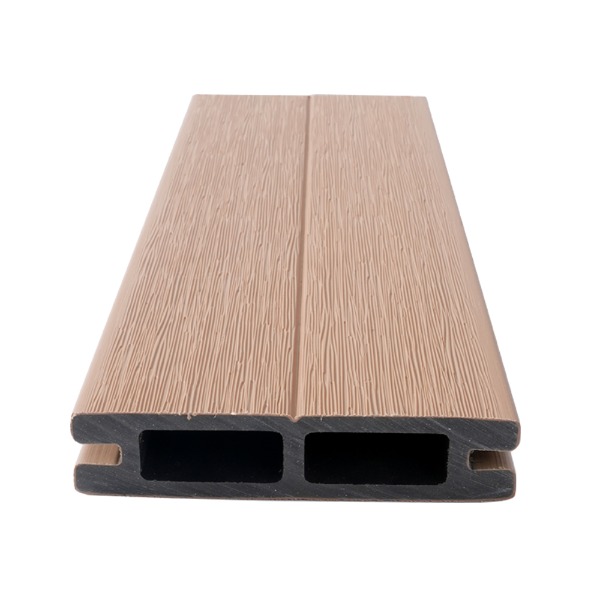
The engineered consistency of composite materials simplifies installation processes compared to natural wood requiring on-site sorting, cutting, and fitting. Installers spend less time on material preparation and quality checking, accelerating installation schedules. A typical installation timeline for composite fencing runs 15-20 percent faster than equivalent wood installations, reducing labor hours and associated overhead costs.
While composite installation requires basic carpentry expertise, it does not demand the specialized wood-working skills that master craftspeople command in wood fence installation. This broader labor pool reduces hiring costs and allows project managers to source installation services from a wider contractor base, creating competitive pricing pressures that benefit large-scale projects.
Composite materials require standard installation equipment without specialized machinery or chemical treatment apparatus necessary for wood fencing. This reduces equipment rental costs, training requirements, and safety compliance overhead associated with handling pressure-treated materials and chemical sealants.
While not a direct operational cost, the impact on property valuation and marketability represents an indirect financial benefit particularly relevant for commercial real estate portfolios and development projects.
Properties featuring well-maintained fencing command premium valuations in real estate markets. Composite fencing's consistent appearance over decades, combined with minimal visible maintenance activity, creates an impression of quality maintenance and property care. This aesthetic continuity translates into measurable property valuation premiums in commercial markets, potentially offsetting significant portions of the initial material cost premium.
Buyers and appraisers recognize that composite fencing systems require minimal near-term capital expenditure for maintenance or replacement. This knowledge reduces the capital depreciation burden that accompanies aging properties requiring imminent major maintenance or replacement cycles. The apparent cost stability extends property valuation stability, reducing the discount factors applied to aging facilities.
Beyond direct financial metrics, environmental cost advantages provide additional value particularly relevant to organizations with sustainability commitments or environmental responsibility objectives.
Composite materials utilizing recycled plastic and sustainably harvested wood fibers reduce the environmental footprint relative to virgin wood harvesting and processing. Over a 40-year lifecycle requiring multiple replacement cycles for wood fencing, the cumulative environmental impact of composite alternatives proves substantially lower.
Avoiding the use of pressure-treated chemicals eliminates environmental compliance costs, chemical disposal expenses, and potential soil or water contamination risks. Organizations operating in environmentally sensitive areas or with strict environmental compliance requirements realize substantial cost avoidance by eliminating chemical treatment requirements entirely.
Many composite materials retain residual value for recycling programs at end-of-life, potentially offsetting a portion of replacement costs. This contrasts with treated wood requiring disposal as hazardous waste, which generates net costs rather than residual value recovery.
This visualization demonstrates the dramatic lifecycle cost advantage of composite materials. While pressure-treated wood appears most economical initially, the accumulated maintenance burden over 40 years produces a total ownership cost that exceeds composite alternatives by $462,000. WPC composite fencing achieves cost parity with vinyl alternatives while offering superior durability and aesthetic characteristics.
While WPC fencing delivers compelling value for many large-scale applications, optimal material selection depends on specific project characteristics and ownership duration.
Large properties can implement phased installation strategies, beginning with highest-impact areas where maintenance costs are greatest or environmental exposure is most severe. This approach allows organizations to validate composite performance expectations, refine installation protocols, and realize cost savings during initial phases while budgeting remaining phases over subsequent fiscal years.
Organizations planning installations exceeding 3,000 linear feet should aggressively negotiate volume pricing with suppliers. Typical volume discounts range from 10 to 20 percent for substantial orders. Additionally, negotiating extended payment terms or phased billing arrangements can distribute capital costs across multiple budget periods, improving cash flow management.
Establishing standardized maintenance protocols across all composite installations ensures consistent performance and simplifies workforce management. Creating detailed maintenance schedules, training maintenance staff on composite-specific requirements, and documenting performance expectations establishes baseline performance metrics and helps organizations maximize value realization from their composite investments.
Documenting actual maintenance costs and schedules for existing installations provides concrete data for future procurement decisions. Organizations maintaining detailed records of maintenance expenditures can accurately calculate realized cost savings and refine financial projections for subsequent installations.
A typical commercial installation of 5,000 linear feet can generate maintenance cost savings of $200,000 to $320,000 over a 30-year period. Total lifecycle cost savings, including reduced replacement cycles, range from $300,000 to $450,000 depending on regional labor costs and environmental conditions. These savings typically exceed the initial material cost premium within 8-12 years.
Annual maintenance for composite fencing typically ranges from $0.20 to $0.30 per linear foot, compared to $1.50 to $2.50 per linear foot for wood fencing. A 5,000-linear-foot installation requires approximately $1,000 to $1,500 annually for occasional cleaning, compared to $7,500 to $12,500 for equivalent wood installations. Many installations can extend maintenance intervals to every 2-3 years in normal climates.
No special treatments are required. Occasional pressure washing at low pressures (under 1,500 PSI) maintains appearance. No sealing, staining, or chemical treatments are necessary. In areas with heavy pollen or algae growth, annual cleaning may be recommended. Some composite products benefit from UV protective coatings applied during manufacturing, requiring no owner maintenance.
The initial cost premium of $40,000 to $50,000 for a 5,000-linear-foot installation is typically recovered through maintenance savings within 8-10 years. Over a 25-year period, total cumulative savings from reduced maintenance and extended replacement cycles range from $250,000 to $380,000, providing a return on the initial premium of 500 to 800 percent.
Installation costs differ slightly based on design orientation, with horizontal and vertical configurations typically varying by 5-10 percent due to different assembly requirements. Material costs remain relatively consistent. Both configurations deliver equivalent maintenance cost advantages and similar lifecycle economics. Design selection should prioritize aesthetic and functional requirements rather than cost considerations, as lifecycle economics remain favorable across both configuration types.
Co-extruded composite materials typically carry a 10-15 percent material cost premium over solid composites. This premium reflects superior weather resistance, enhanced UV stability, and extended service life. For organizations prioritizing durability and extended ownership periods, the co-extrusion premium often proves economically justified through enhanced lifecycle value, though solid panels remain viable for standard applications with acceptable performance expectations.
Yes, strategic material mixing can optimize value. High-exposure sections prone to weather damage, water exposure, or intensive use can utilize premium co-extruded composites, while standard sections can employ solid composite materials. This optimization typically reduces overall project costs by 8-15 percent while concentrating premium performance characteristics where they generate the greatest value.
Section replacement costs are typically 30-50 percent lower than complete fence replacement because the post structure remains intact. Damaged boards or panels can be replaced individually without disrupting adjacent sections. This modularity creates significant cost advantages over wood installations where section replacement often requires addressing connected structural and fastening complications.
While WPC fencing materials themselves typically do not qualify for direct tax incentives, some jurisdictions offer environmental or sustainability rebates for composite materials incorporating recycled content. Consulting local building authorities regarding available incentive programs specific to composite materials can identify potential cost offsets ranging from 5-15 percent of project costs in environmentally progressive regions.
Calculate ROI by comparing initial cost plus annual maintenance expenses over your anticipated ownership period against alternative materials. Multiply annual maintenance savings by the number of years of ownership, add replacement cycle savings, and divide by the initial cost premium. Most commercial installations achieve ROI exceeding 100 percent within the first 10-15 years, with increasing returns extending throughout the product's 25-30 year service life.

Why Outdoor Decking Fails Earlier Than Expected Many outdoor floors look fine on the day they are installed, then start to show problems within a fe...
READ MOREWall panels have become one of the most popular cladding solutions in modern renovation. Homeowners, contractors, and first-time DIYers are drawn to ...
READ MORECan I install wall panels in a bathroom? The short answer is yes, provided you choose a moisture-resistant panel, prepare the wall correctly, and sea...
READ MOREWhen you search for a "wpc factory" online, you are not just looking for any supplier. You are hunting for a partner who can deliver consistent qual...
READ MORE
 No. 6, Nanyuan South Road, Tangyang Town Industrial Park, Dongtai City, China
 [email protected]
 +86-17388015349
Copyright © Jiangsu Xuanhui New Material Technology Co., Ltd. All Rights Reserved.Custom Wood Plastic Composite Environmentally Friendly Materials Factory

