

 English
 Español
 عربى
عربىWhy Outdoor Decking Fails Earlier Than Expected Many outdoor floors look fine on the day they are installed, then start to show problems within a fe...
READ MORE
Clean air, a human right
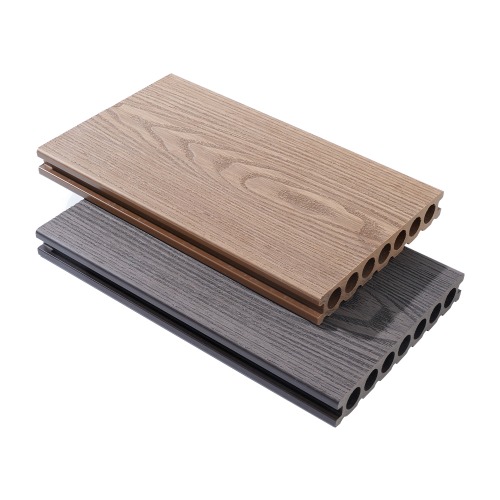
Wood-plastic composite (WPC) decking has become a preferred choice for outdoor spaces due to its resistance to rot, splintering, and insect damage. However, like any exterior surface, WPC composite decking boards require regular maintenance to ensure their longevity and visual appeal. Proper care not only extends the service life of the deck but also preserves its slip resistance and color stability.
WPC decking is manufactured from a blend of wood fibers, thermoplastics, and stabilizing agents. The wood content provides natural aesthetics, while the plastic component offers moisture resistance. This composition makes WPC flooring less prone to warping, cracking, or absorbing water compared to traditional timber. Nevertheless, environmental factors such as UV radiation, organic debris, and standing water can gradually affect its surface texture and color. Hence, a proactive maintenance routine is essential for long-lasting durability.
Accumulation of dirt, pollen, leaves, and mold is the most common cause of surface degradation. Routine cleaning prevents organic matter from breaking down and staining the deck. For general upkeep, a broom or leaf blower should be used weekly to remove loose debris. For deeper cleaning, a garden hose with a spray nozzle is sufficient to wash away dust and pollen.
For stubborn stains such as bird droppings, grease, or spilled beverages, a mild detergent mixed with warm water is recommended. Harsh chemicals like chlorine bleach or acetone-based solvents should be avoided, as they can degrade the plastic matrix and alter the wood fiber color.
Below is a recommended cleaning schedule for maintaining WPC composite decking boards under normal residential use:
| Cleaning Task | Frequency | Method |
|---|---|---|
| Dry debris removal | Weekly or as needed | Broom, leaf blower, or soft-bristle brush |
| Rinse with water | Every 2 weeks | Garden hose with low-pressure nozzle |
| Mild detergent wash | Monthly | Soft cloth or sponge; rinse thoroughly |
| Deep clean for stains/mold | As needed (seasonal) | Warm water + mild soap; soft brush; avoid high pressure |
| Inspection for damage/ponding | Every 3 months | Visual check for cracks, loose boards, or water pooling |
Pressure washing is generally discouraged for WPC flooring. If absolutely necessary, use a pressure setting below 1,500 PSI with a fan tip nozzle held at least 30 cm from the surface. Higher pressures can strip the protective cap layer, creating microscopic grooves where mold and dirt accumulate.
Although WPC composite decking is less susceptible to mold than natural wood, prolonged dampness in shaded areas can still allow surface mildew or algae to develop. This appears as black, green, or white patches, especially near plants or in corners with poor drainage. To remove these growths, a solution of white vinegar and water (1:4 ratio) or a commercial composite deck cleaner can be applied. Let the solution sit for 5–10 minutes, then scrub gently with a soft-bristle brush. Rinse thoroughly with water.
Bleach-based cleaners are not recommended unless specifically formulated for WPC composites. If used, they must be heavily diluted and rinsed off immediately to prevent surface whitening or loss of UV protection.
Most modern WPC composite decking boards come with a co-extruded cap layer that contains UV inhibitors. This layer significantly slows down color fading, but over several years of direct sunlight, some subtle lightening may still occur. To minimize this effect, furniture can be repositioned periodically to ensure even exposure. Additionally, using rugs or mats on high-traffic areas should be limited, as they can trap heat and cause localized discoloration.
For decks installed in regions with intense sun exposure, applying a UV-protective coating designed specifically for composite materials every 2–3 years can help maintain color richness. However, standard wood sealers or stains should not be used on WPC flooring, as they do not bond properly and may create a sticky residue.
While WPC decking is more scratch-resistant than wood, heavy furniture, pet claws, or dragging sharp objects can still leave marks. To prevent this, felt pads should be attached to the legs of chairs, tables, and planters. When moving grills or heavy items, lifting rather than dragging is advised.
In high-traffic zones such as steps or near doorways, periodic inspection for wear is beneficial. Minor surface scratches on capped WPC flooring often fade over time due to thermal expansion of the plastic layer. For deeper scratches that expose the uncapped core, a heat gun can be used cautiously to melt and reflow the surrounding material, though this is best left to professionals.
In cold climates, ice and snow accumulation can be safely removed from WPC composite decking boards using a plastic shovel. Metal shovels or ice picks should never be used, as they gouge the surface. For de-icing, calcium chloride or rock salt is acceptable, but salt should be swept off after ice melts to prevent white residue. Magnesium chloride-based products are also safe and less likely to leave deposits.
Freeze-thaw cycles are generally not a problem for WPC flooring, as the material does not absorb significant moisture. However, standing water from melted snow should be pushed off the deck with a broom or squeegee to prevent slippery conditions and minimize long-term exposure.
Durability depends not only on the decking boards but also on the substructure. Every six months, check the joists, clips, and fasteners for signs of rust, loosening, or corrosion. Although hidden fasteners are common for WPC decks, exposed screws should be stainless steel. If any boards feel bouncy or squeaky, inspect the clips and replace damaged ones promptly.
Another aspect often overlooked is the edge sealing of cut boards. During installation, any exposed ends should be sealed with a manufacturer-recommended end cap or sealant to prevent moisture ingress into the wood-plastic core. Over time, these seals can wear; reapplying sealant every 2–3 years is a good preventive measure.
To condense the maintenance guidelines for WPC flooring into a quick reference, the following table outlines core do’s and don’ts:
| Do’s | Don’ts |
|---|---|
| Sweep or blow debris weekly | Use metal shovels or sharp tools on surface |
| Clean spills immediately with mild soap | Apply bleach, acetone, or oil-based stains |
| Use furniture pads and lift heavy objects | Drag grills, furniture, or potted plants |
| Inspect fasteners and substructure biannually | Power wash above 1,500 PSI or with narrow tip |
| Keep the deck well-ventilated and dry | Allow standing water or snow to sit for weeks |
Following these practices consistently will help WPC composite decking boards maintain their structural integrity and appearance for 20 years or more, which is the typical lifespan expectancy for quality materials.
Maintaining WPC composite decking boards does not require intensive labor or expensive chemicals. The material’s inherent resistance to moisture, insects, and rot already reduces maintenance compared to wood. However, neglect — especially allowing organic debris to decompose on the surface — can lead to staining, mold spots, and reduced slip resistance. By implementing a simple seasonal routine and addressing issues promptly, homeowners can enjoy a durable, attractive deck without frequent repairs or replacement.
The key takeaway is consistency: small weekly efforts prevent the need for major restoration later. Whether the deck is in a humid coastal area or a dry inland climate, the same fundamental care principles apply. With proper maintenance, WPC flooring remains a reliable, sustainable, and visually appealing outdoor solution.
1. Can I use a pressure washer on WPC composite decking boards?
Yes, but only with caution. Use pressure below 1,500 PSI, a fan nozzle, and keep the tip at least 30 cm from the surface. Higher pressure can damage the protective cap layer.
2. How do I remove stubborn oil or grease stains from my deck?
Apply a mild dish soap and warm water mixture, let it sit for 5 minutes, then scrub with a soft-bristle brush. For tough stains, baking soda paste can be used. Avoid solvent-based degreasers.
3. Does WPC flooring require sealing or staining like natural wood?
No. Standard WPC composite decking does not need sealing or staining. In fact, most wood sealers will not adhere properly. Use only cleaners and UV protectants specifically formulated for composites if desired.
4. Can I install WPC decking directly on the ground?
No. WPC composite decking boards require a well-ventilated substructure with joists and adequate airflow underneath to prevent moisture entrapment. Direct ground contact may void performance expectations.
5. Will my deck’s color fade over time?
Minimal fading may occur after years of direct sunlight, but quality capped WPC flooring includes UV inhibitors to slow this process. Repositioning furniture occasionally helps maintain even coloration.

Why Outdoor Decking Fails Earlier Than Expected Many outdoor floors look fine on the day they are installed, then start to show problems within a fe...
READ MOREWall panels have become one of the most popular cladding solutions in modern renovation. Homeowners, contractors, and first-time DIYers are drawn to ...
READ MORECan I install wall panels in a bathroom? The short answer is yes, provided you choose a moisture-resistant panel, prepare the wall correctly, and sea...
READ MOREWhen you search for a "wpc factory" online, you are not just looking for any supplier. You are hunting for a partner who can deliver consistent qual...
READ MORE
 No. 6, Nanyuan South Road, Tangyang Town Industrial Park, Dongtai City, China
 [email protected]
 +86-17388015349
Copyright © Jiangsu Xuanhui New Material Technology Co., Ltd. All Rights Reserved.Custom Wood Plastic Composite Environmentally Friendly Materials Factory

